How Fog and Moisture Affect Vehicles
Why damp air changes how dirt behaves on paint and inside the cabin.
Fog is not just water. It carries whatever is in the air, deposits it on your car overnight, and then evaporates slowly, leaving the residue behind. Repeat that daily for a few months and you get the grey film every outdoor-parked car in the western neighborhoods wears.
Because the surface stays wet for hours, contaminants have far more time to bond than they would in a dry climate.
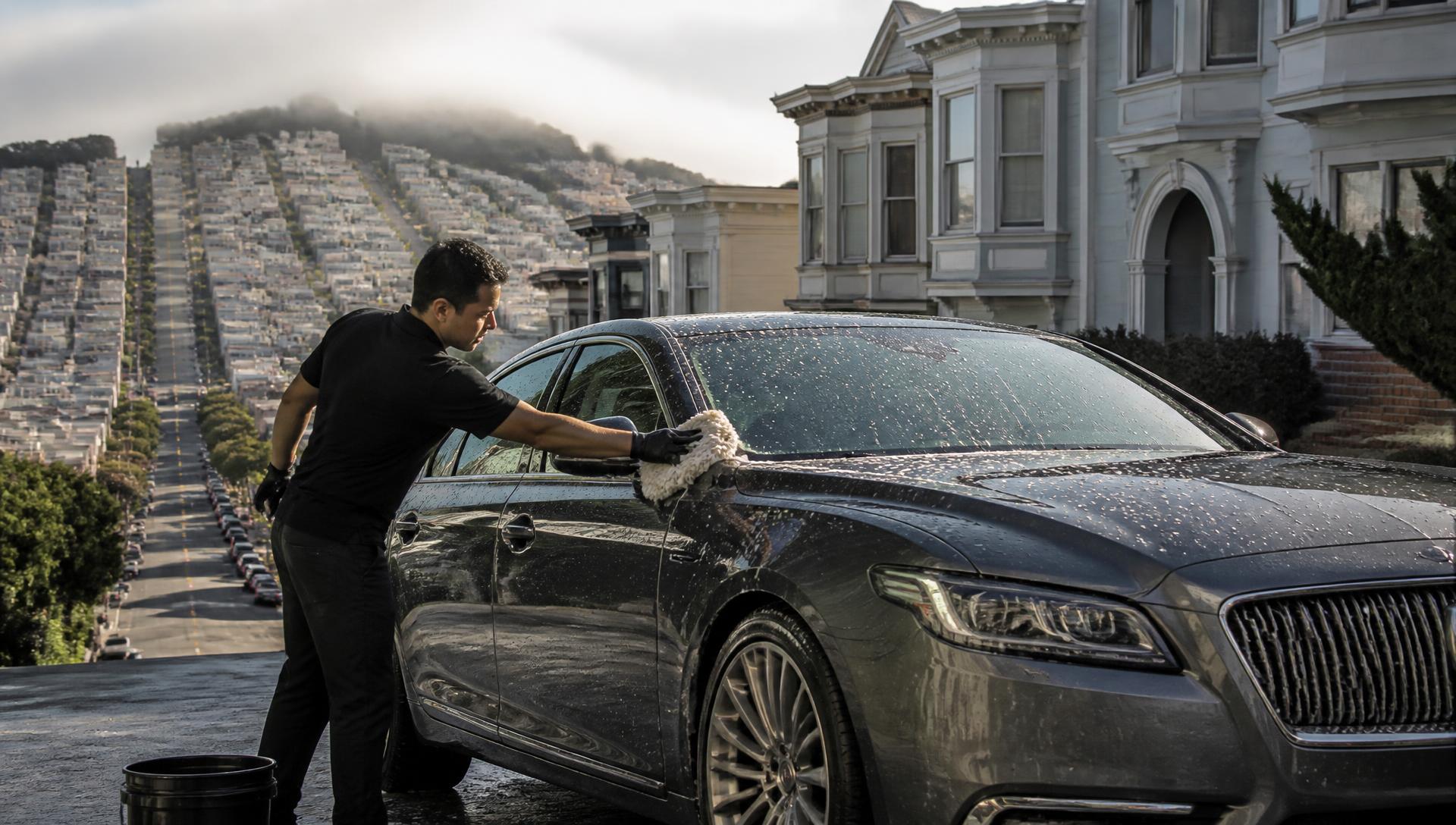
Effects on the exterior
- Road film bonds harder because it never dries and blows off
- Slow evaporation concentrates minerals and leaves spotting
- Organic debris such as sap and pollen stays soft and works into the surface
- Wet brake dust adheres more aggressively to wheel finishes
Effects on the interior
Damp shoes, wet umbrellas, and cracked windows put moisture into carpet and upholstery that never fully dries in cool air. That is how mildew smell starts. If your windows fog up persistently from the inside, there is moisture trapped in the cabin.
Check floor mats for trapped water, make sure sunroof drains are clear, and get carpet properly extracted rather than surface-cleaned.
Frequently asked questions
Should I dry my car after a foggy night?
It helps if you have the time, particularly on glass. Regular protection matters more day to day.
Why do my windows fog from the inside?
Moisture in the cabin plus a dirty film on the glass. Cleaning the interior glass and drying the carpet usually fixes it.