How to Protect a Car That Parks Outside
A realistic protection strategy for a car that never sees a garage.
Most cars in this city sleep outside, and there is no realistic way to change that. What you can change is how much damage the exposure does.
The strategy has three parts: a protective layer, a regular wash rhythm, and prompt removal of the things that etch.
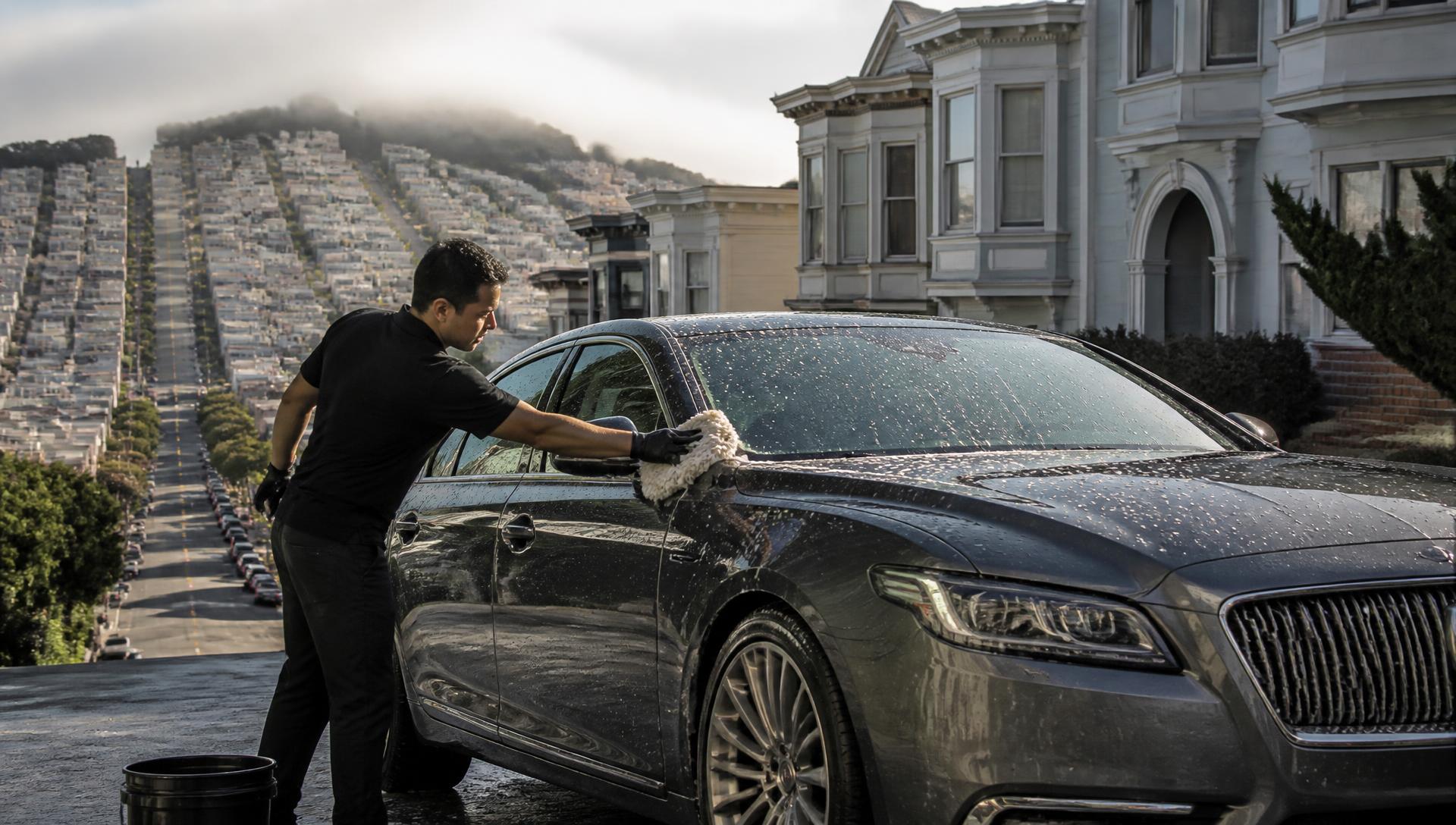
The three-part approach
First, keep a protective layer on the paint. A sealant lasts a season; a coating lasts years. Either gives contaminants something to sit on other than your clear coat.
Second, wash on a schedule rather than when the car looks dirty. Every two to three weeks is a reasonable target for a fully exposed vehicle.
Third, deal with droppings and sap the day you notice them. That single habit prevents most of the etching that ends up needing correction.
Small things that help
- Keep a quick-detail spray and two clean microfiber towels in the trunk
- Avoid parking directly beneath wires and heavy tree limbs when there is a choice
- Watch for sprinkler heads aimed at the parking lane
- Use a sunshade to slow dashboard and upholstery UV damage
- Crack windows only in dry conditions — damp interiors invite mildew
Frequently asked questions
Are car covers a good idea for street parking?
They have real drawbacks. Grit trapped under a cover moving in the wind can abrade paint, and a cover that stays damp is worse than no cover.
Is it worth washing before the rain?
Yes, if the paint is protected. Clean, sealed paint sheds rain and road film instead of holding it.